April 18, 2026
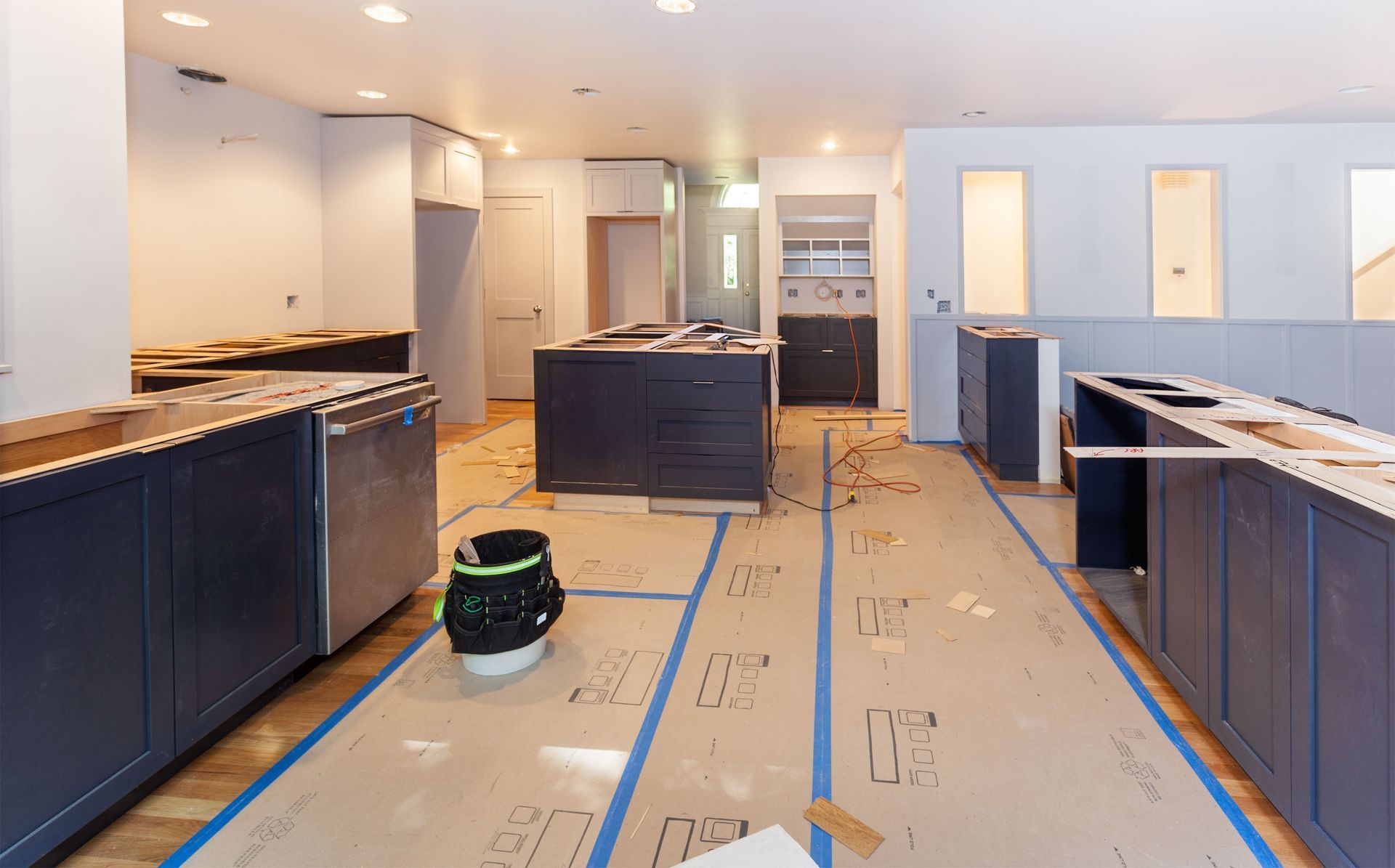
When it comes to selling a home, one of the most common questions homeowners ask is whether they should invest in a kitchen remodel before listing. The kitchen is often considered the heart of the home, and its appearance can significantly influence a buyer’s first impression. But with remodeling costs sometimes reaching tens of thousands of dollars, it’s important to weigh the potential return on investment (ROI) against the expense.
The Appeal of a Modern Kitchen
A modern, well-designed kitchen can make a home more attractive to buyers and potentially increase the sale price. Many buyers prioritize kitchens when evaluating homes, focusing on aspects like layout, storage, appliances, and surfaces. Even small upgrades, such as updating cabinets or replacing old appliances, can make a kitchen feel fresh and inviting.
One of the biggest draws for buyers is a kitchen that is both functional and stylish. Features like energy-efficient appliances, adequate counter space, and a thoughtful layout can make a home stand out in a competitive market. A custom countertop not only enhances the visual appeal but also provides practical benefits, such as durability and easy maintenance, which many buyers appreciate.
Evaluating the Cost vs. Return
Before deciding to remodel, homeowners should carefully consider the costs. A full kitchen renovation can be expensive, often ranging from $15,000 to $50,000 or more depending on materials and labor. While certain upgrades tend to offer better returns—such as refinishing cabinets or updating lighting—others may not provide the expected financial benefit.
According to the National Association of Realtors, 18% of kitchen remodels are done because the homeowner plans to sell within two years. This statistic highlights that while remodeling is common among sellers, it’s often driven by the desire to maximize appeal rather than pure necessity. Understanding your local market and the types of renovations buyers in your area value most can help determine whether investing in a remodel is worthwhile.
Targeted Upgrades vs. Full Remodels
Not every kitchen remodel requires tearing out everything and starting from scratch. In many cases, targeted upgrades can have a significant impact without the full expense. Updating cabinets by painting or refacing them can refresh the look of a kitchen without replacing them entirely, and adding modern hardware can further enhance appeal. Replacing countertops with a high-quality surface can transform the overall aesthetic, providing a high-end feel that catches buyers’ attention.
Upgrading appliances, even replacing a single outdated appliance, can improve overall impressions, and improving lighting through under-cabinet lights or pendant fixtures over an island can make a kitchen feel more welcoming.
By focusing on these targeted improvements, homeowners can create a fresh and inviting kitchen without the full cost and disruption of a complete remodel.
How a Custom Countertop Impacts Buyer Perception
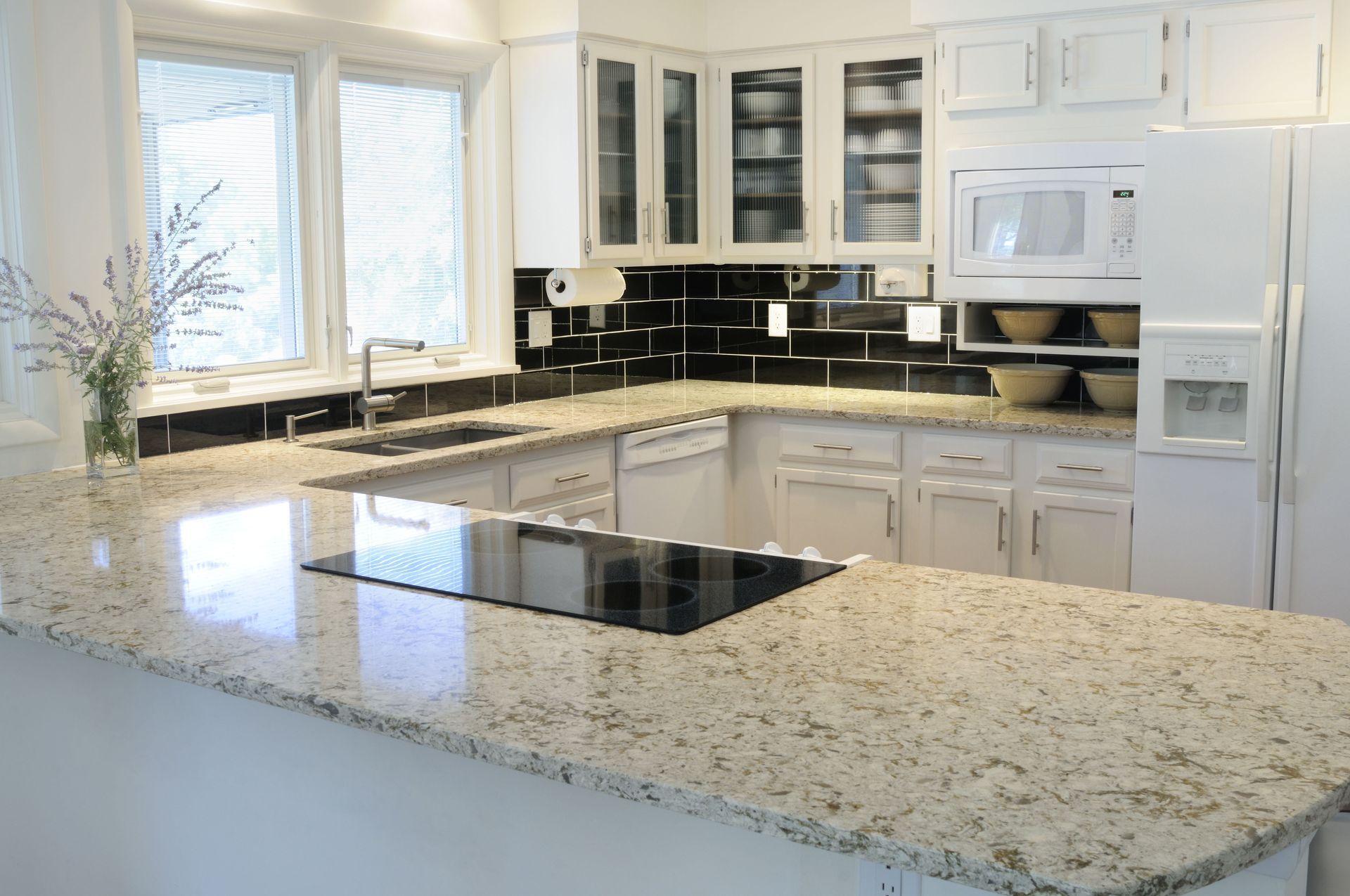
One of the most effective ways to enhance a kitchen is by installing a custom countertop. Buyers often pay attention to surface materials because they convey quality, durability, and style. A well-chosen countertop can make the kitchen feel more modern and high-end, which can influence the perceived value of the home.
Custom countertops also allow for personalization, ensuring the material, color, and design complement the overall kitchen aesthetic. For example, a sleek quartz countertop can create a minimalist look, while a rich granite design adds warmth and elegance. Not only do these options look appealing, but they also provide functional benefits, including resistance to scratches, heat, and stains—features that buyers consider practical in everyday life.
Market Considerations
Deciding whether to remodel before selling also depends on the housing market. In a seller’s market, where demand is high, minor updates or staging may be enough to attract buyers, and a full remodel might not be necessary. Conversely, in a buyer’s market, where homes sit longer on the market, a remodeled kitchen could give your property a competitive edge.
Local trends also matter. In areas where modern kitchens are the norm, a dated kitchen could reduce interest or even affect offers. Conversely, in neighborhoods where original features are valued, a full remodel might not yield a proportional return. Researching comparable homes in your area can provide valuable insight into what buyers are expecting and willing to pay for upgraded kitchens.
The Timing Factor
Timing plays a key role in deciding on a remodel. If you plan to sell quickly, a full renovation may not be practical due to the time it takes to complete. Targeted improvements, like installing a custom countertop or refreshing cabinetry, are often faster and less disruptive. These updates can be completed in a matter of weeks rather than months, allowing you to list your home sooner while still enhancing its appeal. It’s also worth considering seasonal trends, since homes listed in the spring and early summer tend to sell faster and at higher prices. Completing kitchen upgrades in time for peak selling seasons can maximize both visibility and offers.
Budgeting Smartly
For homeowners who decide to remodel, budgeting is crucial. Start by setting a realistic figure based on expected ROI. Prioritize updates that offer the highest value, like new countertops, fresh paint, or upgraded appliances. Avoid over-improving; spending excessively on high-end finishes in a mid-range neighborhood may not translate to higher offers. Homeowners should also consider DIY updates, like painting or minor fixtures, to stretch the budget further while still improving kitchen appeal.
Staging and Presentation
Even with minor updates, presentation matters. A staged kitchen can make a lasting impression on potential buyers. Consider decluttering countertops, organizing cabinets, and adding small decorative touches to highlight features. Professional photography can showcase the kitchen in its best light, which is essential for online listings, where most buyers start their search. Small details, such as matching hardware, stylish backsplashes, or polished surfaces, can create a cohesive look that enhances perceived value. Buyers often remember the overall impression rather than individual features, so attention to detail can make your kitchen feel well-maintained and move-in ready.
The Risks of Over-Improving
While remodeling can increase appeal, over-improving is a risk. Spending beyond what your neighborhood’s typical home sells for may not result in higher offers, and recouping costs could be difficult. It’s important to balance aesthetics with practicality, ensuring updates resonate with the majority of buyers rather than just personal taste. A custom countertop is a safe investment because it generally appeals to a broad audience. Its functionality and style are appreciated by most buyers, making it less likely to be a niche or polarizing choice. Other high-end upgrades, like luxury appliances or exotic materials, may not have the same universal appeal and could reduce the overall ROI.
Deciding whether to remodel your kitchen before selling is not a one-size-fits-all choice. While a full renovation may be unnecessary in some markets, strategic upgrades can make a substantial difference in attracting buyers and boosting offers. A well-designed kitchen not only enhances appeal but also signals quality and care, which buyers notice.
Understanding your market, budgeting wisely, and focusing on high-impact improvements are key to making the most of your investment. Whether you choose a full remodel or selective updates, a thoughtful approach can make your kitchen a standout feature that helps sell your home faster and potentially for a higher price. By carefully weighing costs, benefits, and market expectations, you can make a smart decision that balances style, functionality, and financial sense. For more information, contact Excel Glass and Granite today.